Welcome
In this website I share aspects of my life and work: the shifting kaleidoscope of learning, teaching, activism, artwork, and gardening that nurtures and inspires me. I want to spread this good stuff around! I believe the world needs people who are fully alive to the challenges and dangers we face as a human community, and to the many possibilities for beauty and meaning, creating a genuinely secure and sustainable future. If you find something useful here, please pass it on.
What’s New
Cover image + compilation: Artivism for Genuine Security (December 2024).
Obituary: Alice Cook (December 2023).
Essay: Becoming an Ally: Moving from Knowing Toward Understanding (June 2023).

Writing helps me to sort out my ideas, explore my values, and seed new thinking. I write to share information, honor activist work, and participate in community. I’ve published books, essays in anthologies and journals, and short articles, opinions, and manifestos in newsletters and websites. Much of my writing grows out of activist involvements. Some of it is co-authored or inspired through ongoing discussions and collaborative work. I believe it’s important to record what we do as activists to have an account of events and activities and the thinking behind them. Take a look at my books, essays and articles.
Teaching

Over the past 30 years I’ve taught courses in women’s and gender studies, environmental studies, political science, and sociology at various US colleges and universities. I’ve also been involved in more collaborative community education projects. These include screening the documentary, Living Along the Fenceline, helping to stage Fashion Resistance to Militarism, an anti-military fashion show, and participating in celebrations of resistance to systemic violence against women. At its best, teaching is also learning and leads to new insights, new writing and activist projects, and perhaps new teaching. [more on Teaching]
Activism
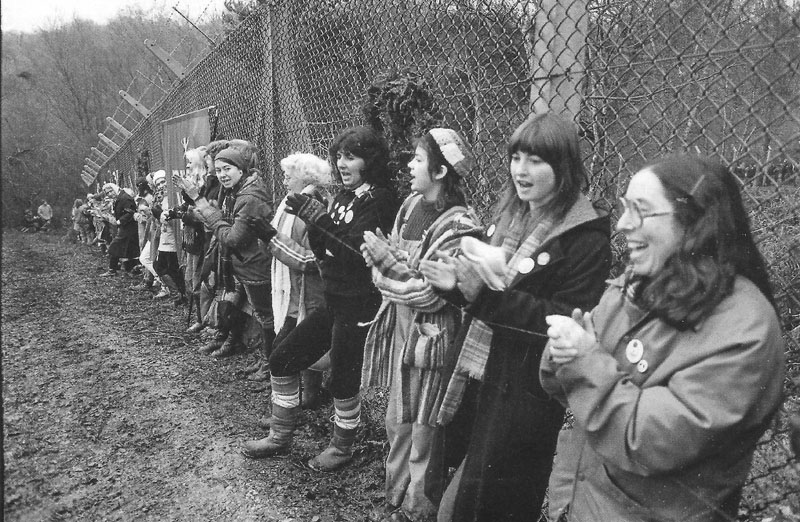
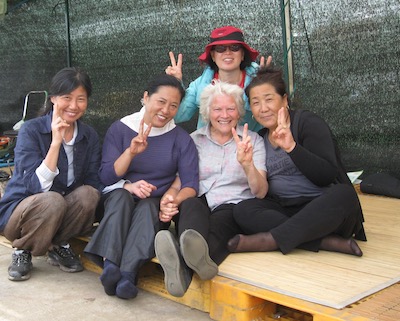
The activist efforts I’ve been involved in all have their public face— gatherings, protests, statements, and images. And they involve patient work behind-the-scenes: talking with others, crafting emails, licking envelopes, organizing meetings, assessing the political moment, and reflecting on what has been accomplished. Relationships are central, working with our heads, hearts, and hands to communicate our beliefs in ways that also feed and inspire us. [more on Activism]
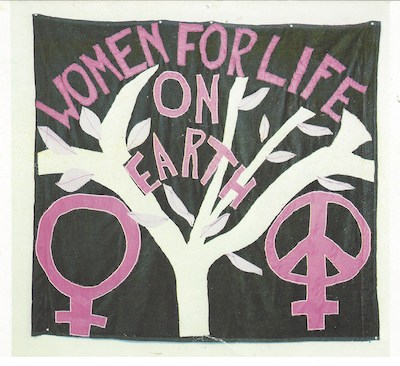
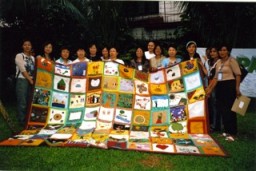

The tactile nature of fabric is irresistible—soft silk, springy wool, stout linen. It invites you to touch so as to “see” it more clearly with your hands. My mother, grandma, and aunties first taught me to sew, knit, embroider, and crochet as I grew up. I sifted through the button box for hours, sorting sizes and colors. I loved featherstitch and making French knots—and still do. I learned about nuno felting more recently when a friend exhibited her work. I came straight home to search the Web on how to do it. Since then I’ve tried my hand at making small felted pieces, scarves, and woolly pots. [more on working in fabric]
... and Other Materials
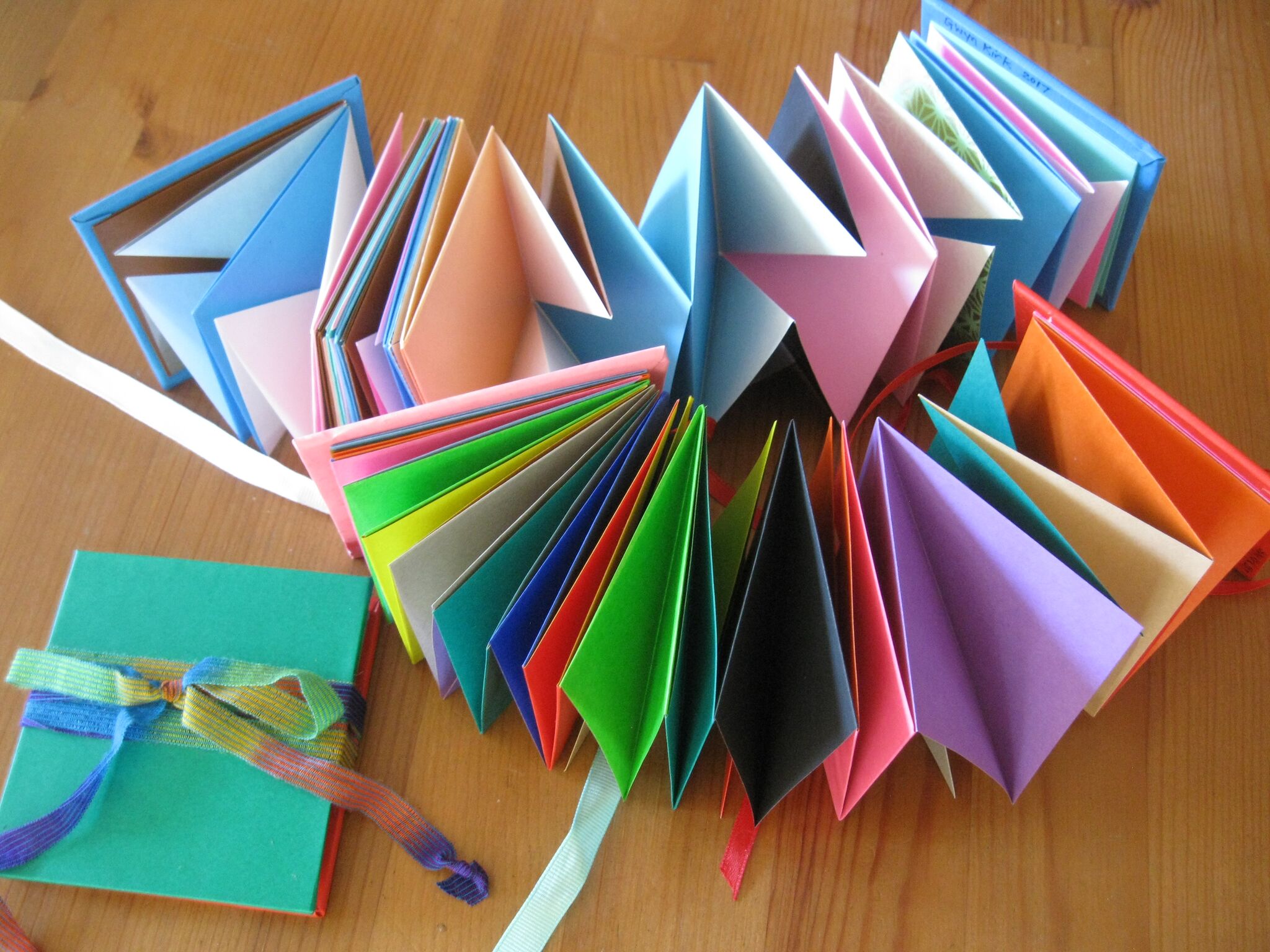
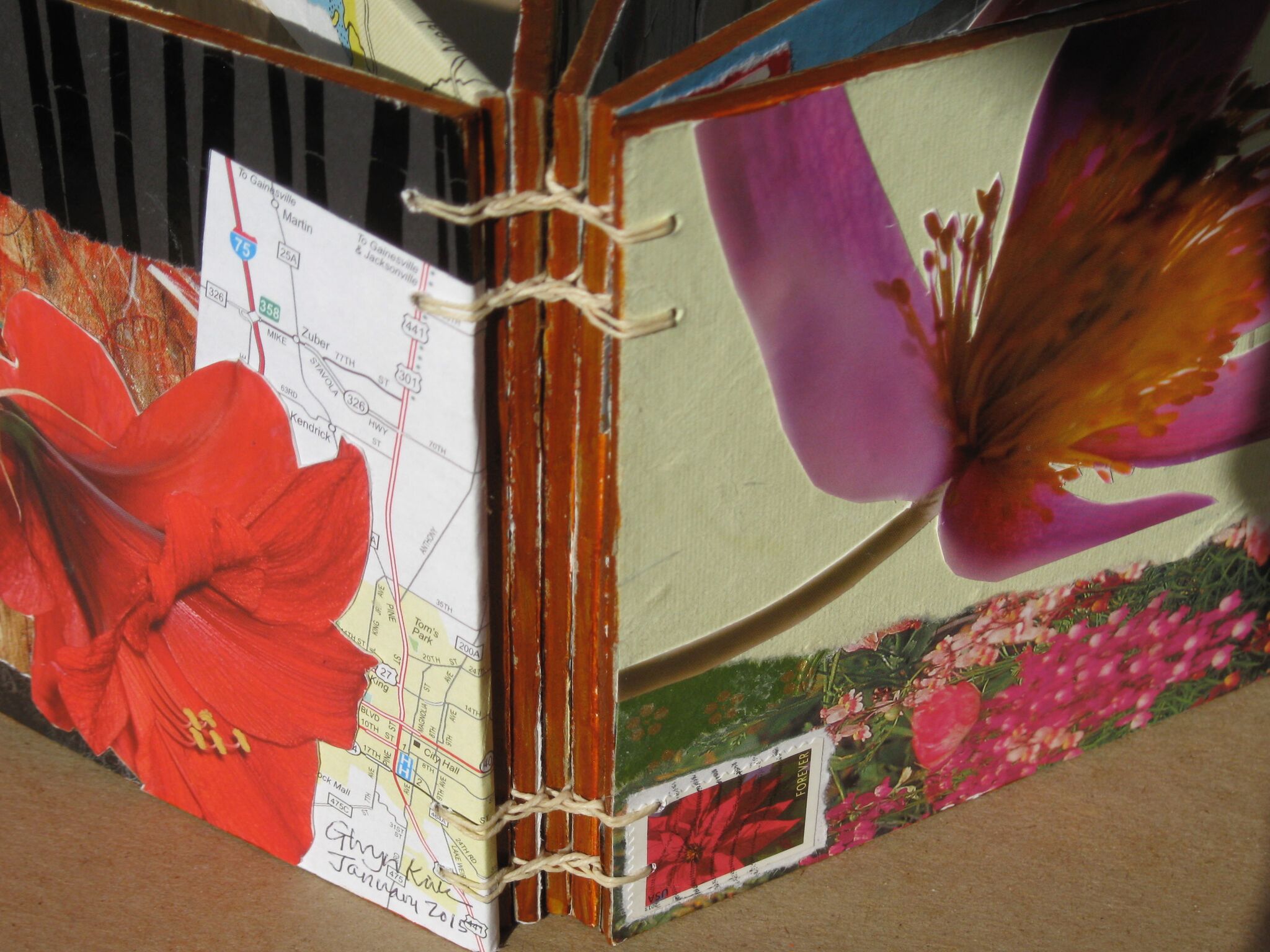
I’ve worked in clay and with paper, also tactile materials. I’ve made small art books, collages, and many cards from recycled materials. Also trying my hand at abstract painting.
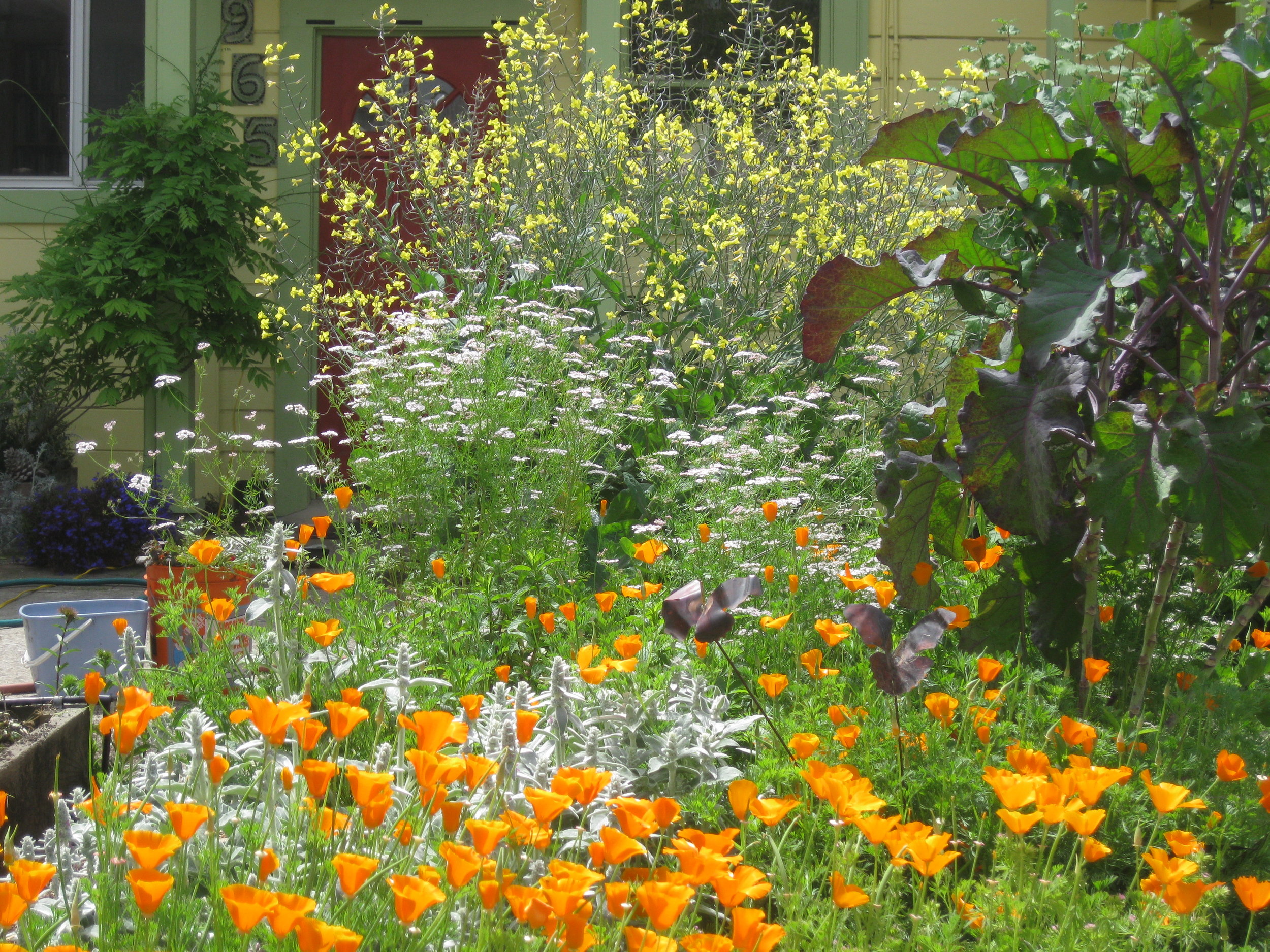
Then there’s the garden. I scatter seeds, water and feed, leave arugula to flower for bees, or deadhead roses to force new growth. My interventions help me feel involved, but plants are their own living beauty of course. Their magnificence has so little to do with me.
[more on making art]